Overhead Sports Injuries
Overhead athletes, such as throwers, swimmers, and volleyball players, are prone to specific shoulder injuries due to repetitive motion, high velocity, and extreme ranges of motion. These injuries often involve the labrum, rotator cuff, and capsular structures. Early diagnosis and sport-specific rehabilitation are crucial for return to play and preventing long-term dysfunction. Common conditions include SLAP tears, internal impingement, and injuries to the inferior glenohumeral ligament (IGHL), including HAGL and GAGL lesions.
SLAP (Superior Labrum Anterior to Posterior) Tear
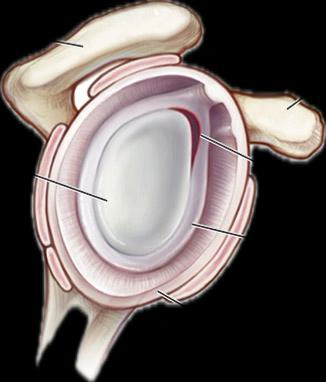
A SLAP tear involves the superior portion of the glenoid labrum, where the long head of the biceps tendon attaches. It’s commonly seen in overhead athletes due to the “peel-back” mechanism during the late cocking phase of throwing. Symptoms include deep shoulder pain, clicking, and decreased velocity or control. Diagnosis is confirmed with MRI arthrogram and clinical tests (O’Brien’s, Speed’s). Management depends on tear type and patient demands. Type II SLAP tears often require arthroscopic labral repair or biceps tenodesis. Rehabilitation includes restoring scapular stability and kinetic chain efficiency to reduce stress on the shoulder.